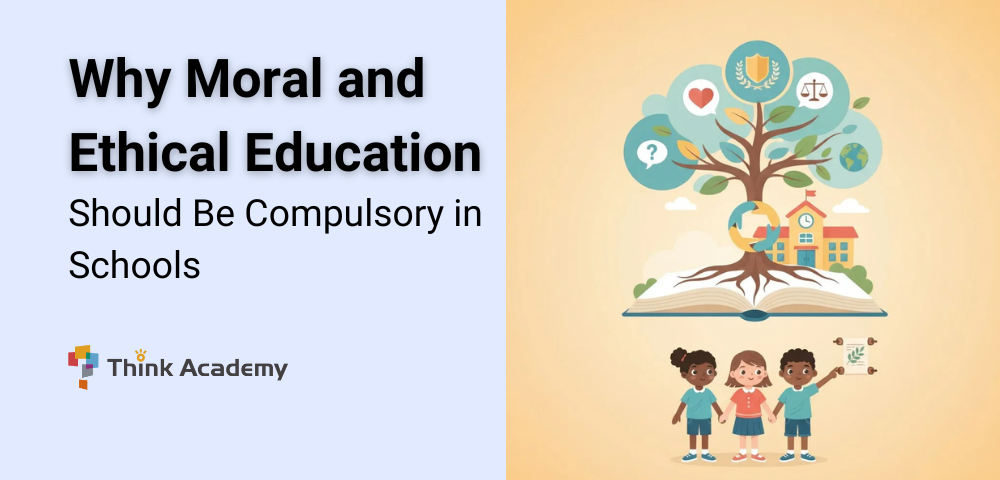
Why Moral and Ethical Education Should Be Compulsory in Schools
In today’s complex and diverse world, the role of education goes beyond academics. Schools are not only responsible for teaching math, science, and language but also for shaping the values of the next generation. This has sparked growing debate about whether moral and ethical education should become a compulsory course in K12 education. Supporters argue that such courses help children build strong moral compasses, develop respect and responsibility, and prepare to be ethical citizens in society.
The Necessity of Moral and Ethical Education in Schools
Students today are exposed to vast amounts of information, including conflicting values and negative influences. A compulsory moral and ethical education curriculum can guide them in making sound decisions and distinguishing right from wrong. Core values such as honesty, empathy, fairness, and respect are essential for a harmonious society. According to Britannica, ethical principles are not only personal virtues but also foundations of civic life. Instilling these values early ensures that students grow into responsible adults who can contribute positively to their communities.
Key benefits include:
- Building a strong sense of integrity and accountability.
- Encouraging respect for diversity and tolerance in multicultural societies.
- Helping students resist harmful peer pressure and unethical behavior.
- Strengthening civic responsibility and social harmony.

Feasibility of Integrating Moral and Ethical Education
Adding moral and ethical education as a compulsory subject is not only necessary but also feasible. Many schools already weave values education into subjects like literature, history, and social studies. However, creating a separate course allows for deeper and more systematic exploration. With proper curriculum design and trained educators, schools can successfully implement such programs.
Modern teaching strategies also make integration easier:
- Case studies and real-life examples connect abstract concepts to daily life.
- Group discussions and debates encourage critical thinking and multiple perspectives.
- Role-playing activities allow students to practice ethical decision-making.
This approach ensures moral and ethical education is not taught as abstract theory but as practical guidance relevant to students’ lives.

Challenges and Criticisms
Despite its value, compulsory moral education faces challenges. Some educators and parents worry it could add pressure to an already packed curriculum. Others argue that morality is subjective and difficult to standardize. The key difficulties include:
- Resistance from stakeholders who see it as an extra burden.
- Curriculum design issues in defining age-appropriate ethical content.
- Teacher readiness, since not all educators are trained to handle sensitive moral discussions.
- Cultural differences, as values may be interpreted differently in diverse societies.
However, these concerns can be addressed through inclusive curriculum development, teacher training, and consultation with parents and community leaders.
Strategies for Constructing Effective Moral and Ethical Courses
For moral and ethical education to succeed as a compulsory subject, schools need a structured and practical approach. An effective program should include:
- Clear curriculum framework: covering personal ethics, social responsibilities, environmental stewardship, and global citizenship.
- Teacher training programs: equipping teachers with both subject knowledge and classroom strategies.
- Interactive teaching methods: using discussions, projects, and service-learning rather than lectures.
- Community engagement: involving parents, local leaders, and organizations to reinforce shared values.
- Practical application: encouraging students to participate in community service, volunteer projects, or peer mentorship.
These strategies help bridge the gap between classroom lessons and real-life moral decision-making.
Conclusion: The Future of Moral and Ethical Education
Making moral and ethical education a compulsory part of K12 schooling is not without challenges, but its necessity is clear. By teaching honesty, respect, responsibility, and civic duty, schools can prepare students not only for academic success but for life as ethical, responsible citizens. With thoughtful curriculum design, teacher preparation, and active community involvement, moral education can become a cornerstone of holistic education, helping shape a more just and harmonious society.
About Think Academy
Think Academy, part of TAL Education Group, helps K–12 students succeed in school today by building strong math foundations and critical thinking skills. At the same time, we focus on the bigger picture—developing learning ability, curiosity, and healthy study habits that inspire a lifelong love of learning. With expert teachers, proven methods, and innovative AI tools, we support every child’s journey from classroom confidence to long-term growth.
Want more insights on math learning and parenting? Subscribe to our newsletter for weekly tips and the latest resources.
Leave a Comment & Share Your Thoughts!
Share This Story, Choose Your Platform!
Related Posts