University Laboratory Schools: What They Are & Why They Matter
A University Laboratory School, commonly referred to as a lab school, is a K–12 or PreK–12 institution affiliated with a research university and designed to integrate classroom instruction with educational research and teacher training. These schools operate at the intersection of theory and practice, using evidence-based methods to advance how children learn and how teachers teach.
For families exploring alternative education models for children ages 4–12, university laboratory schools offer a distinctive approach grounded in research, innovation, and academic depth.
What Is a University Laboratory School?
University laboratory schools are formally connected to universities—most often colleges of education—and serve multiple roles:
- Delivering high-quality instruction to enrolled students
- Providing supervised training environments for future educators
- Serving as research settings for curriculum development and instructional studies
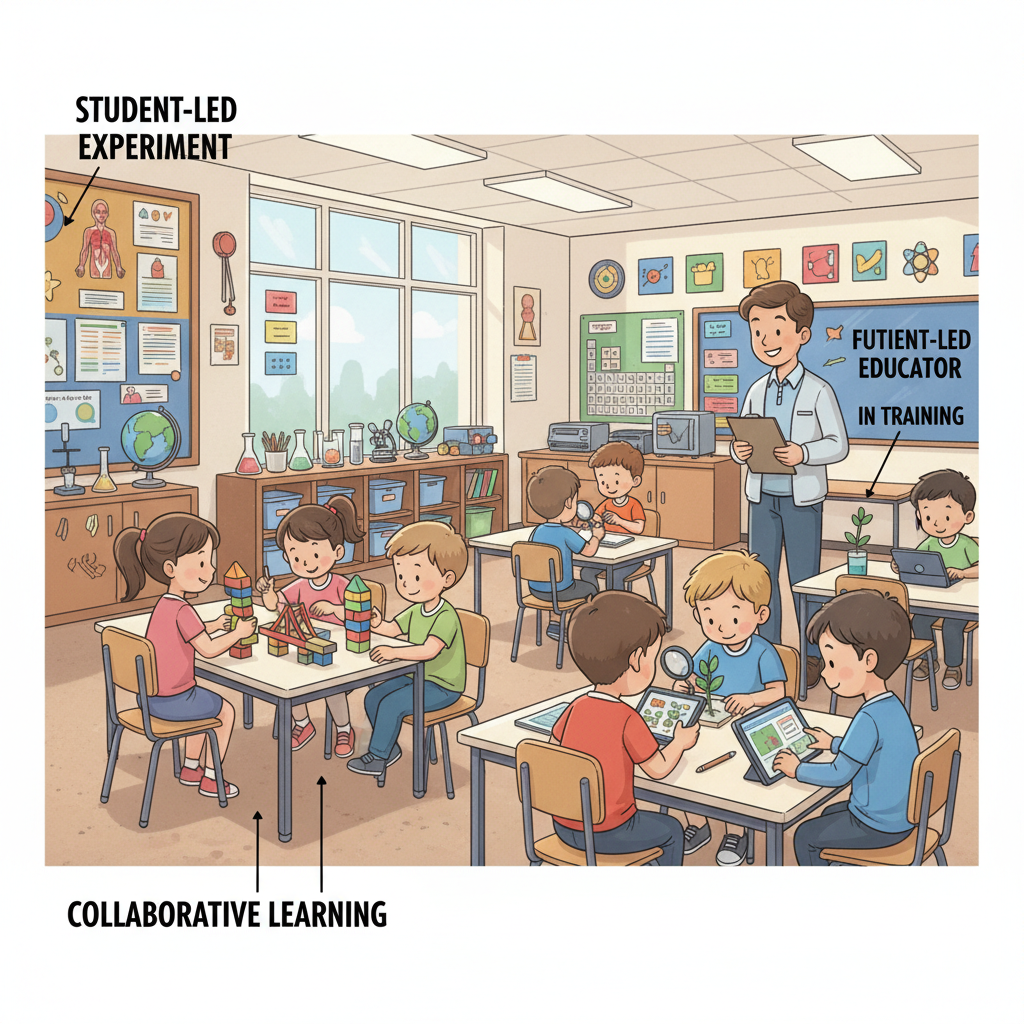
Unlike traditional schools, lab schools are intentionally designed as living classrooms, where teaching methods are continuously studied, refined, and improved. Many instructors hold advanced degrees and may also teach or conduct research at the university level, creating a direct link between educational research and daily instruction.
Academic Model and Instructional Approach
The instructional framework of a university laboratory school emphasizes conceptual understanding over rote learning. While curricula vary, common characteristics include:
- Inquiry-based and project-based learning
- Emphasis on reasoning, problem solving, and critical thinking
- Integration of research-supported teaching strategies
- Ongoing curriculum refinement informed by classroom data
Students are encouraged to explore ideas, ask questions, and apply knowledge across disciplines. Subjects such as mathematics, science, literacy, and social studies are often taught through interdisciplinary units that reflect real-world applications.
Access to University Resources
A defining feature of lab schools is access to university-level resources. Depending on the institution, students may benefit from:
- Academic libraries and research collections
- Science labs and maker spaces
- Arts, music, and performance facilities
- Enrichment programs led by university faculty or researchers
This early exposure to advanced resources broadens academic horizons and supports deeper engagement in learning from a young age.
Role in Educational Research and Teacher Preparation
University laboratory schools play a central role in advancing educational practice. They serve as training sites for student teachers and researchers, while maintaining instructional quality and stability for enrolled students.
Research conducted in these settings contributes to broader understanding of:
- Effective instructional methods
- Curriculum design and sequencing
- Child development and learning differences
- Classroom assessment practices
As a result, lab schools often function as innovation hubs whose insights influence education beyond their own classrooms.

Admissions, Eligibility, and Key Considerations
Admissions processes vary by school and are often selective. Common elements include applications, family interviews, and student observations or assessments. Some lab schools give priority to children of university faculty or staff, while others focus on maintaining diverse student populations.
When evaluating fit, families should consider:
- Alignment with the school’s instructional philosophy
- Class size and level of individualized attention
- Expectations for family engagement
- Long-term academic pathways after enrollment
Well-Known University Laboratory Schools in the U.S.
Several university laboratory schools are widely recognized for their academic influence and longevity:
- University of Chicago Laboratory Schools (IL): Founded by John Dewey, known for inquiry-based, interdisciplinary learning.
- UCLA Lab School (CA): Affiliated with UCLA’s Graduate School of Education, emphasizing research-informed instruction.
- Bank Street School for Children (NY): Connected to Bank Street College of Education, focusing on experiential and developmental learning.
- University of Illinois Laboratory High School (IL): A secondary lab school emphasizing academic rigor and research-based teaching.
- University of Minnesota Child Development Laboratory School (MN): Focused on early childhood education and developmental research.
Is a University Laboratory School the Right Fit?
University laboratory schools are particularly well suited for students who thrive in environments that emphasize exploration, reasoning, and intellectual engagement. The model benefits children who respond well to conceptual learning and close teacher collaboration, though it may differ from more traditional, standardized systems.
Careful consideration of a child’s learning style, personality, and long-term goals is essential when evaluating this educational pathway.
Conclusion
University Laboratory Schools represent a distinctive, research-driven approach to K–12 education. By integrating university research, teacher preparation, and classroom instruction, these schools provide intellectually rich environments that support curiosity, critical thinking, and long-term academic growth for children ages 4–12.
To further support foundational skill development alongside innovative school models,
Think Academy offers free math worksheets for Kindergarten through Grade 10.
These worksheets are organized by topic, include complete answer keys, and provide structured practice in problem solving, reasoning, and core math concepts—helping students build confidence and consistency both in and beyond the classroom.
About Think Academy
Think Academy, part of TAL Education Group, helps K–12 students succeed in school today by building strong math foundations and critical thinking skills. At the same time, we focus on the bigger picture—developing learning ability, curiosity, and healthy study habits that inspire a lifelong love of learning. With expert teachers, proven methods, and innovative AI tools, we support every child’s journey from classroom confidence to long-term growth.
Want more insights on math learning and parenting? Fill out the form on this page and subscribe to our newsletter for weekly tips and the latest resources.
Leave a Comment & Share Your Thoughts!

Share This Story, Choose Your Platform!
Related Posts










