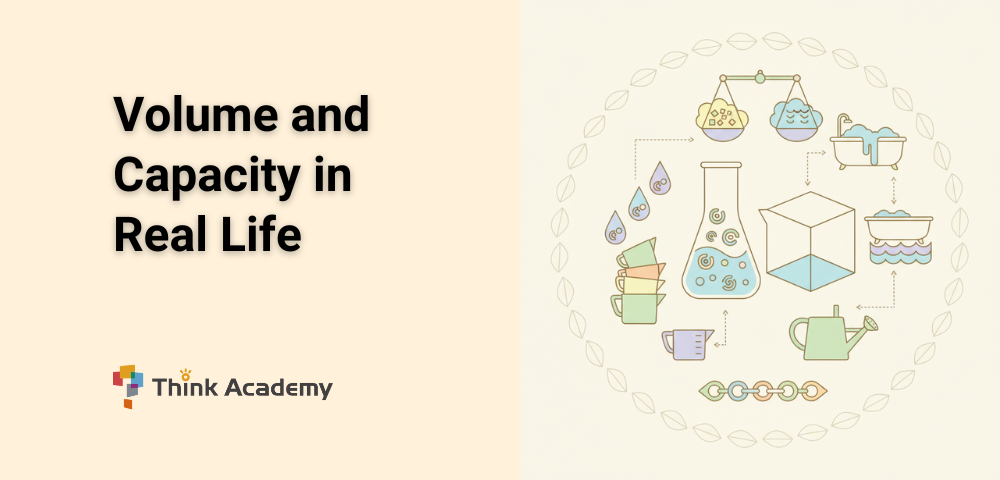
Science Channels for Kids: Spark STEM Curiosity at Home
Science channels for kids offer an excellent way to make complex ideas exciting and accessible, especially for parents looking to enrich learning beyond school. Many families struggle to find digital content that is both engaging and trustworthy. High-quality science channels transform screen time into interactive learning experiences that spark curiosity, build essential STEM foundations, and help children aged 4–12 understand the world around them.
A child eagerly watching an educational science video on a tablet, with colorful science diagrams in the background.
Finding the Best Science Channels for Kids
Introducing science early helps children develop critical thinking and observation skills. However, not all educational videos online are created equal. The best science channels for kids combine accurate information with fun explanations, hands-on demonstrations, animations, and storytelling. These channels help children make sense of topics ranging from weather and animals to engineering and outer space.
Here are three top science channels parents can rely on for accurate, age-appropriate learning.

SciShow Kids
SciShow Kids is one of the most popular science channels for young learners. Hosts Jessi, Squeaks, and Mister Brown answer children’s most common “why” questions in approachable, engaging ways. They explore everyday phenomena such as weather, color, plants, insects, and simple physics.
SciShow Kids uses animations, real-life examples, and simple language to break down scientific concepts. For instance, children may learn why rainbows form, what causes seasons, or how animals adapt to their environments. The short videos make it easy to fit learning into daily routines and encourage kids to observe the science happening all around them.
Official Link: https://www.youtube.com/@scishowkids
National Geographic Kids
National Geographic Kids provides visually stunning science content featuring wildlife, ecosystems, geography, and environmental science. Children can explore oceans, rainforests, deserts, and Arctic regions from their screens. Videos highlight animal behavior, global cultures, and natural phenomena, building early Earth-science knowledge.
The channel’s real-world footage offers an immersive experience. A child might watch how penguins survive in Antarctica or follow the lifecycle of a butterfly. National Geographic Kids is ideal for sparking discussions about habitats, conservation, and the importance of protecting the natural world.
Official Link: https://www.youtube.com/@natgeokids
Crash Course Kids
Crash Course Kids focuses on elementary-level science and presents information in a fast-paced, highly animated format. Host Sabrina Cruz covers topics in Earth science, physical science, and life science through curriculum-aligned lessons.
Videos may explain food chains, states of matter, electricity, or the water cycle. Parents appreciate that Crash Course Kids simplifies advanced vocabulary and breaks down core concepts clearly. The content is concise yet information-rich, making it ideal for strengthening school learning or previewing new topics.
Official Link: https://www.youtube.com/@CrashCourseKids

Maximizing Learning with Educational Science Videos
Science channels are most effective when paired with active learning strategies. Instead of letting children passively watch videos, encourage them to think, react, and explore.
Here are simple ways to deepen learning:
- Ask follow-up questions: “Why did that happen?” or “What surprised you in that video?”
- Pause during a video to discuss key ideas.
- Try related hands-on activities such as exploring magnets, observing plants, or building simple machines.
- Use drawing, journaling, or storytelling to help kids explain what they learned.
Science videos support different learning styles. Visual learners benefit from animations and demonstrations. Auditory learners absorb information through explanations and narration. Kinesthetic learners thrive when videos inspire experiments or projects they can do at home. This multi-sensory approach builds stronger comprehension and curiosity.
Regular exposure to these channels builds a foundation for long-term STEM learning. Children learn how to ask questions, make predictions, and think like scientists. These are skills they will use throughout school and in future careers.
Conclusion
Choosing the right science channels for kids can significantly enrich your child’s learning journey. These platforms turn complex topics into fun, understandable lessons while strengthening scientific curiosity and confidence. By pairing videos with conversation, hands-on projects, and consistent exploration, parents can create a powerful home learning environment that supports STEM growth year-round. To reinforce these foundational skills, explore
Think Academy’s free math and STEM worksheets,
designed by expert educators to build problem-solving, logical thinking, and scientific reasoning. These resources complement science videos perfectly, helping children develop strong, well-rounded STEM habits from an early age.
About Think Academy
Think Academy, part of TAL Education Group, helps K–12 students succeed in school today by building strong math foundations and critical thinking skills. At the same time, we focus on the bigger picture—developing learning ability, curiosity, and healthy study habits that inspire a lifelong love of learning. With expert teachers, proven methods, and innovative AI tools, we support every child’s journey from classroom confidence to long-term growth.
Want more insights on math learning and parenting? Fill out the form on this page and subscribe to our newsletter for weekly tips and the latest resources.
Leave a Comment & Share Your Thoughts!
Share This Story, Choose Your Platform!
Related Posts