Multilingual Learning for Kids: Language Strategies in K-12
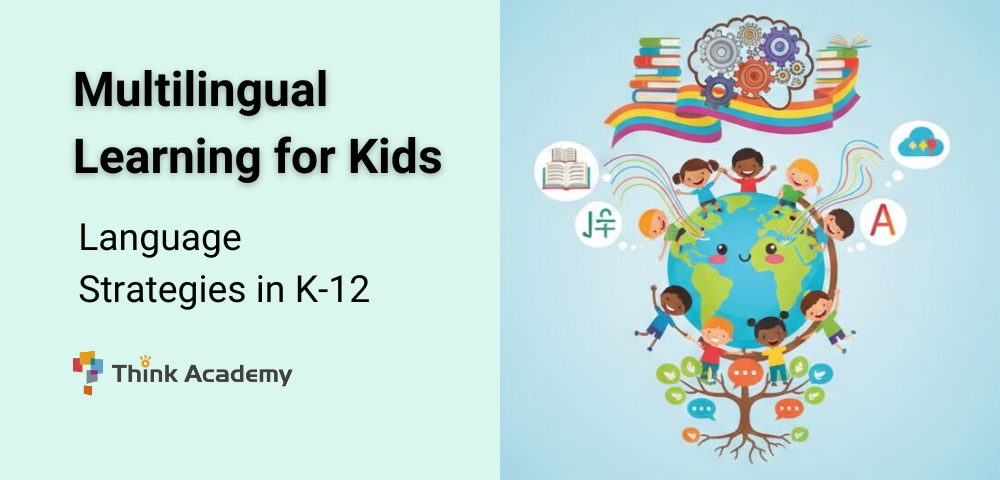
In today’s global world, learning multiple languages is more than an academic goal—it’s a lifelong asset. Bilingual and multilingual children are proven to have stronger problem-solving skills, cognitive flexibility, and cultural empathy. For K-12 students, multilingual learning develops not just communication ability, but also creativity and confidence. It opens access to global opportunities, from cross-cultural friendships to international careers later in life. Parents and educators can play a pivotal role by guiding children with intentional language choices, consistent practice, and supportive learning environments.
Choosing the Right Languages
Selecting the right languages is the foundation of successful multilingual development. The best choices consider both personal meaning and practical opportunity. Here are three guiding principles for parents and teachers:
- Follow curiosity and context: Children are more motivated when the language connects to their life—such as a family heritage, favorite cartoon, or a cultural story.
- Leverage high-utility languages: English, Mandarin Chinese, Spanish, and French are among the most spoken globally, offering wide academic and career advantages.
- Add culturally rich exposure: Encourage learning through songs, folk tales, or cooking activities related to that culture. This turns language into a sensory, emotional experience—not just memorization.
According to Language learning, early exposure to meaningful, interactive language input—rather than rote memorization—is what drives true fluency.

Time Planning and Learning Rhythm
Consistent, balanced practice is far more effective than long, irregular study sessions. The brain retains information best when learning happens in short, focused bursts combined with rest and repetition. Practical strategies include:
- Micro-learning: 20–30 minutes per day per language builds strong neural pathways.
- Alternating days: Dedicate specific days to each language to prevent cognitive overload.
- Spaced repetition: Review vocabulary at increasing intervals (1 day, 3 days, 1 week) to move it into long-term memory.
- Language journaling: Encourage students to record one sentence daily in each language to strengthen recall and writing fluency.
This rhythm mirrors how the brain naturally processes and consolidates new skills—especially during childhood, when neuroplasticity is at its peak.

Integrating Language Learning Into Daily Life
True multilingual development happens not only in classrooms but in everyday moments. Families and schools can turn ordinary routines into powerful learning opportunities. Ideas that work include:
- Home labeling: Label household objects with names in multiple languages (door, window, refrigerator).
- Bilingual storytelling: Read picture books or listen to audiobooks in both the native and target language.
- Music immersion: Songs are excellent for pronunciation and rhythm—try nursery rhymes or pop music from the target culture.
- Digital exposure: Use language apps like Duolingo, Memrise, or Babbel; or switch the device language settings occasionally for real immersion.
- Peer interaction: Language clubs, cultural fairs, and pen-pal programs help kids apply what they learn socially.
When language becomes part of daily life, it feels natural and playful—keeping motivation high.
The Science Behind Multilingual Learning
Cognitive studies show that multilingual children develop stronger executive function, meaning they’re better at focusing, switching tasks, and filtering distractions. They also experience cross-linguistic transfer, where learning one language reinforces understanding of others—for example, recognizing shared word roots (like “bio” in English and “biología” in Spanish). Children learning multiple languages benefit from strategies such as:
- Code-switching awareness: Teaching when and why to switch languages improves flexibility.
- Contrastive learning: Comparing grammar or vocabulary between languages strengthens metalinguistic awareness.
- Contextual immersion: Using new words in realistic settings improves retention and confidence.
Bilingualism doesn’t confuse children—it enhances their mental adaptability and perspective-taking abilities.
Role of Parents and Teachers
Both home and school environments must support curiosity, patience, and consistency. For parents: model enthusiasm by learning words alongside your child, celebrate small wins like new words or successful conversations, and encourage cultural exploration through movies, food, and festivals. For teachers: integrate language into subjects like art, music, or science (“CLIL” – Content and Language Integrated Learning); provide scaffolding through visual aids or peer support; and use positive reinforcement to build confidence. When home and school reinforce each other, children see language learning not as an assignment, but as part of who they are.
Common Challenges and How to Overcome Them
1. Mixing languages: Early code-mixing is normal and temporary. Encourage children gently to clarify meanings rather than correcting harshly.
2. Uneven fluency levels: One language may develop faster than another. Rotate focus every few months to balance proficiency.
3. Motivation dips: Keep learning fun with games, stories, or friendly competitions to rekindle engagement.
Remember—progress in multilingual learning is not linear. Consistency, patience, and encouragement matter more than perfection.
Conclusion
Multilingualism empowers children to connect, think critically, and engage with the world through multiple cultural lenses. With thoughtful language choices, structured time planning, and daily integration, K-12 students can grow into confident communicators ready to thrive globally. By making language learning a joyful, ongoing journey rather than a task, parents and teachers nurture children who are not only fluent speakers—but empathetic, culturally aware citizens of the world.
About Think Academy
Think Academy, part of TAL Education Group, helps K–12 students succeed in school today by building strong math foundations and critical thinking skills. At the same time, we focus on the bigger picture—developing learning ability, curiosity, and healthy study habits that inspire a lifelong love of learning. With expert teachers, proven methods, and innovative AI tools, we support every child’s journey from classroom confidence to long-term growth.
Want more insights on math learning and parenting? Subscribe to our newsletter for weekly tips and the latest resources.
Leave a Comment & Share Your Thoughts!
Share This Story, Choose Your Platform!
Related Posts