Intel AI Global Impact Festival: AI Learning for Kids
The Intel AI Global Impact Festival is a global learning initiative designed to help students understand and engage with artificial intelligence (AI) from an early age. As technology continues to transform every aspect of life, many children struggle to understand what AI really is and how it affects the world around them. The festival provides a welcoming entry point, breaking down complex ideas into hands-on, age-appropriate learning experiences. Through creative challenges, interactive activities, and real-world examples, kids begin to see AI not as something distant or intimidating—but as a powerful tool they can explore, build with, and shape for the future.
Introduction to the Festival and Early AI Literacy
Understanding new technologies is essential for preparing young learners for the modern world. Intel’s AI Global Impact Festival is an annual, worldwide celebration of student creativity, innovation, and AI learning. The event includes workshops, online lessons, showcases, and challenges for global participants. Intel partners with educators and organizations across many countries to provide accessible AI education designed for students ages 4–18.
Younger children learn foundational ideas such as:
- pattern recognition
- simple machine learning principles
- how smart assistants or image-recognition tools work
Older students can explore:
- building beginner-friendly AI models
- data science basics
- algorithmic thinking and responsible AI practices
The goal is not just to teach technical skills but to help children see AI as something they can understand—and even create with.

The Intel AI Global Impact Festival: A Foundation for Future Thinkers
The Intel AI Global Impact Festival is an annual worldwide event designed to build AI literacy and celebrate student innovation. It brings together learners, educators, and creators from around the globe to explore artificial intelligence through hands-on activities, workshops, challenges, and project showcases.
When does it happen?
The festival typically takes place each year between August and October, with dates announced in advance by Intel. Activities and submissions open earlier in the year so students can prepare projects before the final global celebration.
What does the schedule include?
Participants can access a mix of:
- Live virtual workshops and expert talks
- Self-paced AI learning modules
- Teacher-led classroom activities
- Project submission windows
- Global finalist announcements and award ceremonies
This flexible schedule allows students from different time zones and age groups to join at a pace that fits their needs.
Who can participate?
The festival welcomes students ages 4–18, educators, and AI enthusiasts worldwide.
Intel provides age-appropriate learning paths, so younger students (4–12) focus on fundamental AI concepts, while older students (13–18) can create full AI projects and compete for awards.
What projects or awards are available?
Students can submit real AI-powered creations in categories such as:
- AI for Social Good
- AI-Driven Innovation
- Creative AI Applications
- Data Science Projects
Intel recognizes exceptional work through awards including:
- Global Grand Prize Winner
- Country or Region Winner
- Innovation Winner
- Social Impact Winner
- Promising Young Talent (for younger participants)
Winners receive certificates, global recognition, mentoring opportunities, and in some years, Intel hardware or technology grants.
Who are the winners?
Previous winners include students who created:
- AI tools for environmental monitoring
- Applications supporting accessibility
- Classroom-friendly data science models
- Creative art or storytelling powered by machine learning
Intel highlights winning projects on its official website and in international press releases, offering global visibility to young innovators.
What Kids Learn During the Festival
The Intel AI Global Impact Festival is designed to build strong AI literacy—a foundational skill for the next generation. Festival activities strengthen both technical and cognitive abilities through hands-on, interactive experiences such as:
- training simple AI models to recognize images or objects
- exploring how datasets influence predictions and decision-making
- understanding why AI ethics, fairness, and responsibility matter
- identifying real-world examples of AI in everyday life
These activities help children see that AI is built on math, logic, patterns, and data—skills they can begin developing at any age.
Beyond guided lessons, Intel hosts global challenges where students present their own AI-based projects. Younger learners may submit simple prototypes or visual explanations of AI concepts, while older participants create functional AI solutions addressing real-world problems. This showcase encourages creativity, experimentation, and problem-solving.
Key benefits of the festival experience include:
- gaining confidence in understanding complex ideas
- strengthening computational thinking and data literacy
- expressing creativity through open-ended AI challenges
- practicing digital responsibility and ethical AI awareness
- collaborating with peers from around the world
Ultimately, the Intel AI Global Impact Festival helps children recognize that AI is not science fiction—it is a practical tool they can use to invent, explore, and contribute to meaningful solutions in their community and beyond.
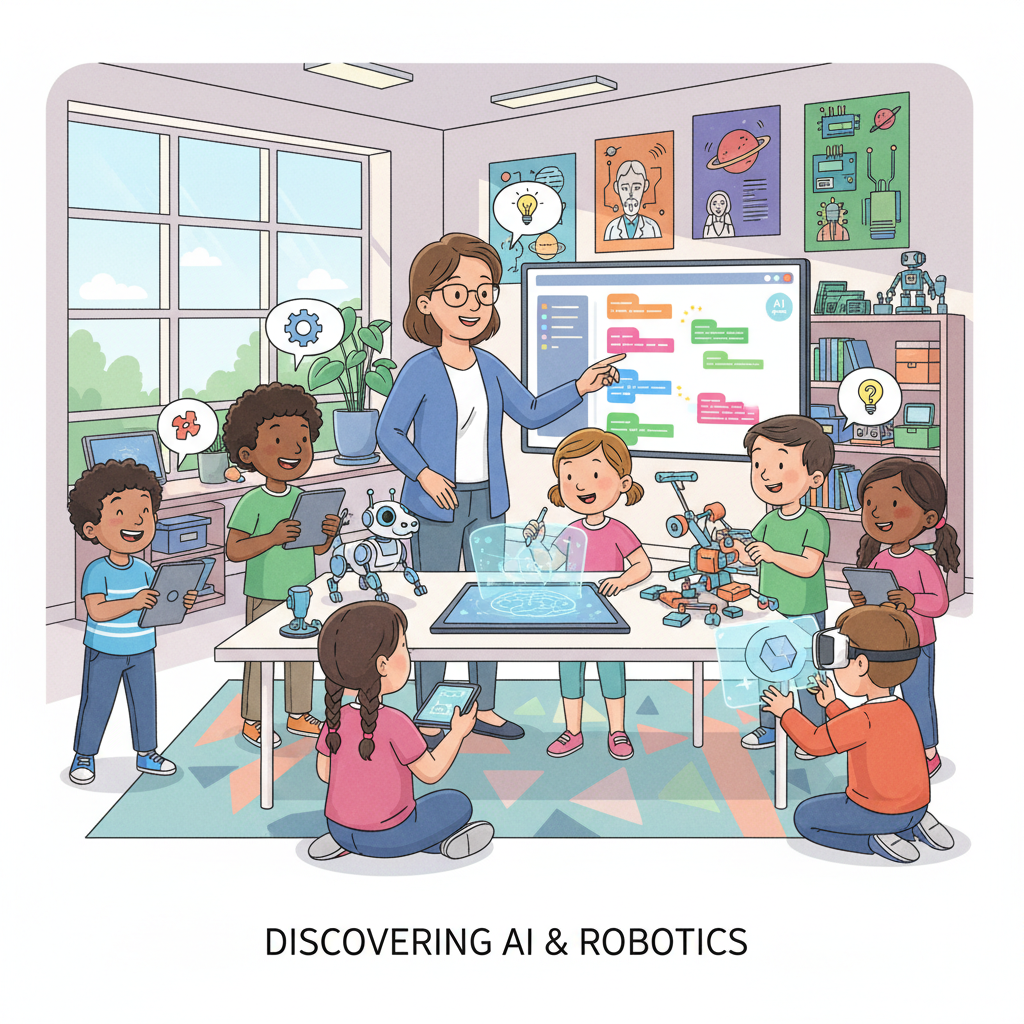
Building Tomorrow’s Innovators Today
The festival empowers young learners by weaving together technical knowledge and essential life skills. Participants develop:
- problem-solving through iterative design
- logical reasoning and pattern recognition
- resilience by testing ideas and learning from mistakes
- curiosity about how technology works and how to improve it
Early AI exposure helps eliminate fear or confusion around new technologies. Children who participate build a mindset of exploration—they learn to ask questions, investigate how systems behave, and imagine new ways AI can help people. This mindset prepares them for future academic pathways in STEM and beyond.
Conclusion
Programs like the Intel AI Global Impact Festival show children that AI is not just a future concept—it is a practical tool they can understand and use today. Early exposure builds confidence, strengthens critical thinking, and inspires a new generation of innovators ready to thrive in a technology-driven world.
To support your child’s learning journey even further,
Think Academy offers free, high-quality practice worksheets
that reinforce the math and problem-solving skills needed for strong STEM foundations. These worksheets help kids strengthen essential skills and achieve better results across subjects. They also help families build consistent at-home learning habits, giving children a steady, motivating learning routine that is easy for parents and highly effective for young learners.
About Think Academy
Think Academy, part of TAL Education Group, helps K–12 students succeed in school today by building strong math foundations and critical thinking skills. At the same time, we focus on the bigger picture—developing learning ability, curiosity, and healthy study habits that inspire a lifelong love of learning. With expert teachers, proven methods, and innovative AI tools, we support every child’s journey from classroom confidence to long-term growth.
Want more insights on math learning and parenting? Fill out the form on this page and subscribe to our newsletter for weekly tips and the latest resources.
Leave a Comment & Share Your Thoughts!

Share This Story, Choose Your Platform!
Related Posts










