How to Create a Personal Learning Plan for K12 Students: A Step-by-Step Guide
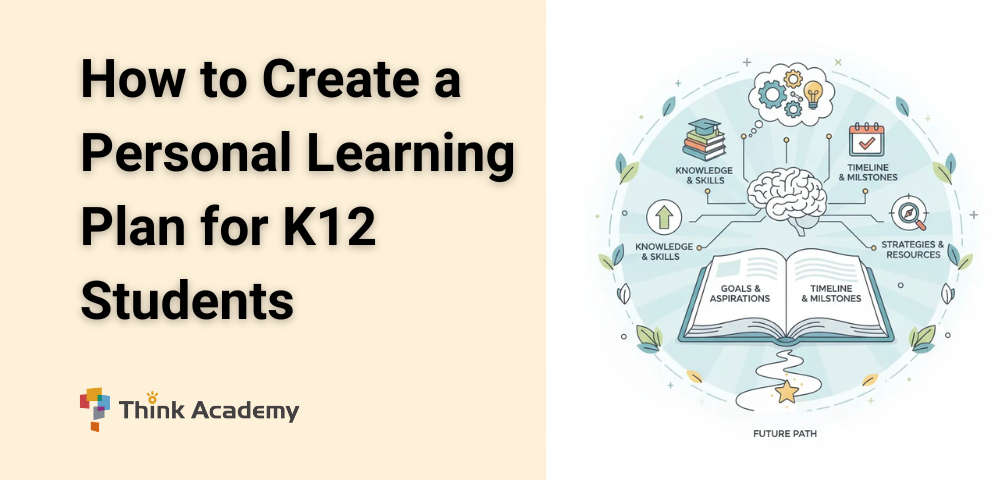
In today’s world of endless information and online resources, students have more opportunities than ever to explore what they love. However, without a clear structure, this freedom can quickly become overwhelming. A personal learning plan gives direction to curiosity—it helps students set meaningful goals, stay organized, and connect knowledge across subjects.
For K12 students, designing a personalized learning map means taking ownership of how and what they learn. It turns everyday interests into long-term growth.
1. Understand Your Learning Interests
The foundation of any learning plan starts with self-awareness. Ask yourself: What subjects or activities make me curious? It might be biology, coding, creative writing, or astronomy. These interests are not random—they reveal what motivates you to learn deeply.
Research from the American Psychological Association shows that when students learn topics they find personally relevant, their persistence and mastery improve significantly. So begin by writing down everything that excites you, even if it seems unrelated. Over time, patterns will emerge that guide your personalized path.
2. Set Clear, SMART Goals
Once your interests are clear, transform them into SMART goals—Specific, Measurable, Achievable, Relevant, and Time-bound. For example:
Instead of saying “I want to learn about art,” try “I will complete an online art history course and create three original artworks within six months.”
SMART goals make progress visible and motivate consistent action. You can find helpful frameworks from UMass Dartmouth or the Minnesota Department of Health.
Then, break big goals into smaller, manageable steps. If your aim is to learn a new language, you might:
- Study basic grammar for 15 minutes daily
- Add 20 new vocabulary words each week
- Practice speaking with a conversation partner twice a week
This approach turns ambition into achievable milestones and helps prevent burnout.

3. Build a Multidisciplinary Learning Map
Real-world problems don’t fit neatly into one subject, and neither should your learning plan. A multidisciplinary approach helps you connect ideas, think critically, and apply knowledge creatively.
For example:
- A student passionate about environmental science might combine biology, geography, and statistics.
- Someone interested in artificial intelligence could explore math, computer science, and ethics.
Use digital tools such as MindMeister or Notion to visualize how your interests and subjects overlap. Seeing these connections helps you understand how different skills complement each other and keeps your plan dynamic as new interests emerge.
4. Review, Reflect, and Adjust
A strong learning plan isn’t static—it evolves with your growth. Schedule time every month or quarter to reflect on what’s working and what needs adjustment.
Ask yourself:
- Which areas am I most excited about right now?
- What topics have lost my interest, and why?
- Do I need new strategies, mentors, or resources?
Reflection develops metacognitive awareness—essentially, learning how you learn. According to MIT’s Teaching + Learning Lab, reflection strengthens planning and self-monitoring, leading to deeper, more lasting learning outcomes.

5. Keep Learning Engaging
The best learning plan balances structure with curiosity. Mix study sessions with hands-on experiences and creative exploration.
Here are a few ways to make learning enjoyable:
- Watch short lessons or demonstrations on self-paced learning platforms like Khan Academy.
- Join online communities or clubs focused on your interests.
- Apply your knowledge in real-world projects—write an essay, build a model, or conduct a small experiment.
Keeping the process interactive prevents learning fatigue and reminds you that growth can be both productive and fun.
6. Sample Weekly Framework
To stay consistent, outline a simple weekly schedule:
- 2 days for focused study sessions (45–60 minutes each)
- 1 day for application or project work
- 1 short session for reflection and goal review
This rhythm provides enough structure to maintain progress while leaving room for flexibility and creativity.
Conclusion
A personal learning plan empowers students to take control of their education. By identifying interests, setting SMART goals, integrating multiple subjects, and reflecting regularly, learners can create a roadmap that grows with them.
Whether you’re a student planning for the next school year or a parent helping your child discover new passions, a personalized plan ensures that learning stays meaningful, balanced, and forward-looking. It transforms “what I have to study” into “what I want to explore”—the mindset that defines lifelong learners.
About Think Academy
Think Academy, part of TAL Education Group, helps K–12 students succeed in school today by building strong math foundations and critical thinking skills. At the same time, we focus on the bigger picture—developing learning ability, curiosity, and healthy study habits that inspire a lifelong love of learning. With expert teachers, proven methods, and innovative AI tools, we support every child’s journey from classroom confidence to long-term growth.
Want more insights on math learning and parenting? Subscribe to our newsletter for weekly tips and the latest resources.
Leave a Comment & Share Your Thoughts!
Share This Story, Choose Your Platform!
Related Posts