How to Avoid Exam Failure with Smart Preparation
Exams are a defining part of every K12 student’s academic journey. They can open doors to advanced classes, scholarships, and future opportunities, but they can also bring disappointment when results fall short of expectations. Exam failure is one of the most discouraging experiences for students, yet in most cases, it is not a reflection of intelligence or potential. Instead, failure is often the direct result of inadequate preparation—not giving enough time, structure, or focus to studying. By understanding the causes and adopting proven strategies for exam preparation, students can dramatically improve their performance and approach exams with confidence.
Why Students Fail Exams
Many students assume that failure means they are “bad at the subject.” In reality, most exam failures stem from how a student prepares. The most common pitfalls include:
- Procrastination: Leaving study sessions until the last minute creates rushed learning and heightened stress. Verywell Mind notes that procrastination leads to shallow understanding and poor performance because the brain has little time to process and retain information.
- No study plan: Students without a clear plan often jump from topic to topic without fully mastering any area. This scattered approach leaves knowledge gaps that show up in exams.
- Passive study habits: Reading notes or highlighting pages may feel productive but does little for long-term memory. Without active practice, information is quickly forgotten.
- Underestimating the workload: Students often believe a quick review the night before will suffice, only to discover that deeper comprehension and repeated practice are needed.
- Avoiding weak areas: Many focus only on subjects they enjoy, ignoring the areas where they struggle most. Unfortunately, exams test overall balance, not just strengths.
These habits create a cycle: weak preparation leads to low scores, which undermines confidence, making students even less likely to prepare properly next time.

The Importance of Effective Preparation
Good exam preparation is more than just studying harder; it’s about studying smarter. Research shows that effective study strategies not only improve test scores but also build lasting learning skills. Students who prepare properly benefit in several ways:
- Greater confidence: Walking into an exam with a plan reduces anxiety and helps students focus on the task.
- Better memory retention: Techniques such as active recall and spaced repetition strengthen knowledge far more than last-minute cramming.
- Improved problem-solving: Structured practice with past papers and mock exams helps students learn how to apply knowledge, not just memorize it.
- Resilience under pressure: Consistent preparation makes students less likely to panic during challenging questions.
Preparation, in short, is the difference between hoping for success and being ready for it.

Proven Strategies to Avoid Exam Failure
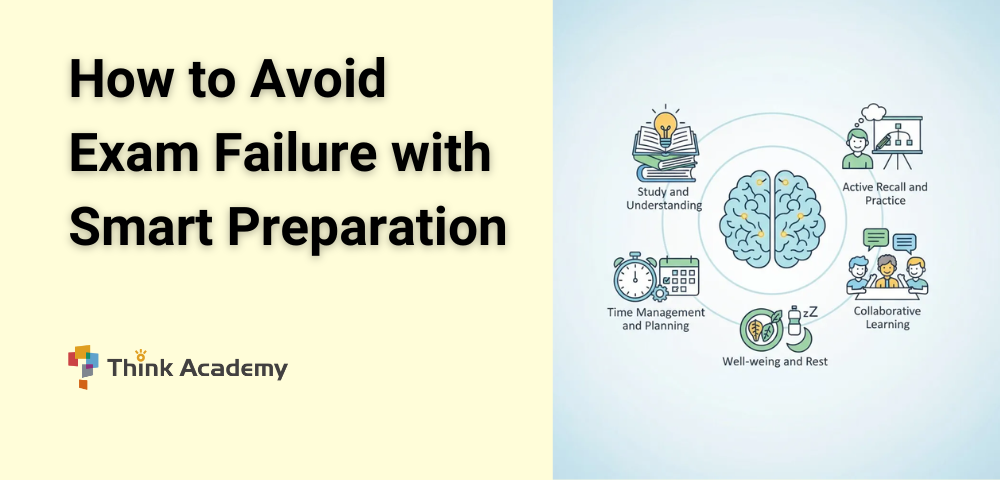
To move beyond inadequate preparation, students need a clear framework for effective studying. The following strategies can help:
1. Set Clear Goals
Define what you want to achieve in the exam. Goals should be specific, such as aiming for a particular grade or mastering certain topics. Clear goals keep motivation high and provide direction.
2. Create a Structured Study Plan
A well-designed schedule ensures that all subjects and topics are covered systematically. Break the syllabus into smaller sections and assign them to daily or weekly study blocks. Consistency is more effective than long, exhausting cram sessions.
3. Use Active Learning Techniques
- Active recall: Regularly test yourself without looking at notes. This forces the brain to retrieve information and strengthens memory.
- Spaced repetition: Review material at increasing intervals to avoid forgetting.
- Practice testing: Solve past papers and mock exams to become familiar with exam formats and time limits.
As The Learning Scientists explain, these evidence-based methods lead to deeper learning compared to passive reading.
4. Revise Regularly
Don’t wait until the night before the exam. Regular short reviews—daily or weekly—are far more effective than marathon sessions. Revisiting material consistently helps identify weak areas early and prevents last-minute panic.
5. Balance Study and Well-being
Preparation is not only about books. Students who manage their time well also prioritize rest, exercise, and healthy routines. Lack of sleep or poor diet can undermine even the best study efforts. Short breaks during study sessions improve focus and prevent burnout.
Developing Strong Study Habits
Beyond short-term exam tactics, students should build sustainable study habits. This includes creating a distraction-free environment, breaking material into manageable chunks, and setting realistic milestones. Seeking help when needed—from teachers, tutors, or peers—ensures that confusion doesn’t pile up. Over time, these habits not only prevent exam failure but also create a foundation for lifelong learning.
Parents can play a supportive role by encouraging structured study schedules, providing quiet spaces, and monitoring for signs of procrastination or stress. Schools can also contribute by offering workshops on time management and effective study strategies.
Conclusion: Preparation Is the Key to Success
Exam failure can feel like a setback, but it is rarely permanent. In most cases, it is a wake-up call about the dangers of inadequate preparation. By setting goals, following a structured study plan, using active recall and spaced repetition, and balancing academics with self-care, students can transform their outcomes. Effective exam preparation not only boosts grades but also builds confidence, discipline, and resilience—skills that extend far beyond the classroom. With the right strategies, exams can shift from a source of stress to an opportunity for growth and achievement.
About Think Academy
Think Academy, part of TAL Education Group, helps K–12 students succeed in school today by building strong math foundations and critical thinking skills. At the same time, we focus on the bigger picture—developing learning ability, curiosity, and healthy study habits that inspire a lifelong love of learning. With expert teachers, proven methods, and innovative AI tools, we support every child’s journey from classroom confidence to long-term growth.
Want more insights on math learning and parenting? Subscribe to our newsletter for weekly tips and the latest resources.
Leave a Comment & Share Your Thoughts!

Share This Story, Choose Your Platform!
Related Posts










