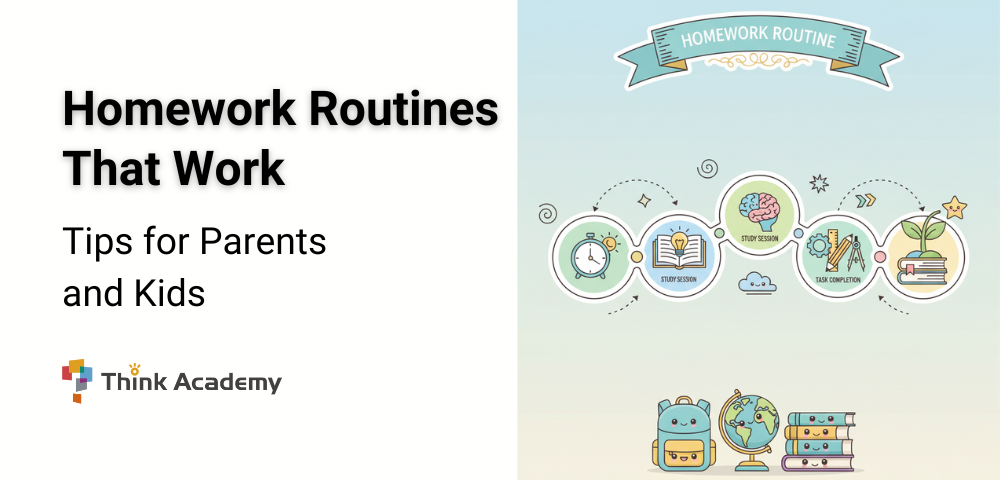
Homework Routines That Work: Tips for Parents and Kids
A well-structured homework routine for kids is a powerful tool for academic success and family harmony. Many parents face nightly battles, stress, and tears when it comes to homework, feeling unsure how to establish consistency. This article provides actionable strategies and effective approaches to help you create a routine that fosters independence and makes learning less of a chore.
Why Parents Need a Solid Homework Routine
Parents often find that without a consistent approach, homework time becomes a source of daily friction. A solid homework routine creates predictability, which helps children manage their time and expectations. It reduces procrastination, minimizes power struggles, and allows children to develop essential organizational skills. This structured environment ultimately leads to better academic performance and a more positive attitude towards learning.

Key Elements of an Effective Homework Routine
Creating an effective homework routine involves more than just setting aside time; it requires a thoughtful approach to the environment and process. Consider these essential components to build a robust system for your child.
Designated Study Space
A consistent, quiet, and clutter-free area helps signal to your child that it is time to focus. This space should be free from distractions like television, video games, and excessive noise. Ensure it has good lighting and all necessary supplies are readily available.
Set Schedule and Time Limits
Establishing a regular time for homework each day builds a habit and makes it a natural part of the daily rhythm. Discuss with your child when they are most alert and productive, whether it is right after school or after a short break. Setting clear time limits for tasks prevents overwhelm and encourages efficient work.
Break Down Tasks
Large assignments can feel daunting to children. Teach your child to break down bigger tasks into smaller, manageable steps. This approach makes the workload seem less intimidating and helps them track their progress.
Built-in Breaks
Short breaks are crucial, especially for younger children whose attention spans are shorter. Incorporate 5-10 minute breaks after a period of focused work to allow your child to refresh their mind. This can improve concentration and prevent burnout.
Parent Support and Supervision
Your role is to provide guidance and supervision, not to do the homework for them. Be available to answer questions, offer encouragement, and check their work once completed. This balance helps foster independence while ensuring accountability.
Practical Approaches to Homework Routines
Different children and family schedules may benefit from various approaches to homework management. Explore these two popular methods to see which best fits your child’s needs and your family’s lifestyle.
The Fixed Schedule Approach
This method involves dedicating a specific, non-negotiable time slot for homework each day. For example, homework might always be from 4:00 PM to 5:00 PM. This predictability can be very comforting for children who thrive on routine. It works well for younger elementary students or those with fewer variable after-school commitments. The primary benefit is consistency, but it offers less flexibility if daily schedules change.
The Flexible Block Approach
With this approach, homework is completed within a broader time window, such as between 3:30 PM and 6:00 PM. This allows for adaptability if after-school activities or other commitments vary from day to day. Older elementary students and middle schoolers, who may have more fluctuating schedules, often benefit from this flexibility. This method requires more self-management from the child, so it is ideal for those developing greater independence.
Choosing and Refining Your Child’s Homework Routine
Selecting the right homework routine involves understanding your child’s unique needs and adapting as they grow. Consider their age, personality, and the demands of their schoolwork. A highly energetic child might need more frequent breaks, while a diligent child might prefer longer work sessions.
Start by discussing these options with your child and letting them have some input. Begin with small changes and be patient; establishing a new routine takes time and consistency. Regularly check in with your child to see what is working and what needs adjustment. Flexibility and open communication are key to refining a routine that supports their learning journey effectively.

Closing Reflection
An effective homework routine is built over time through consistency, reflection, and small adjustments that fit a child’s needs. Beyond schedules and study spaces, what often makes the biggest difference is helping children see homework as part of a larger learning journey rather than a daily chore. To gain inspiration from real family experiences, parents can read homework stories from Think Academy, which share practical examples of how routines and habits develop in everyday life. To keep skills sharp and reinforce learning between assignments, families can also continue practicing with Think Academy’s free K–12 math worksheets, designed to support steady progress and build confidence through regular, manageable practice.
About Think Academy
Think Academy, part of TAL Education Group, helps K–12 students succeed in school today by building strong math foundations and critical thinking skills. At the same time, we focus on the bigger picture—developing learning ability, curiosity, and healthy study habits that inspire a lifelong love of learning. With expert teachers, proven methods, and innovative AI tools, we support every child’s journey from classroom confidence to long-term growth.
Check our math programs:
- Early Childhood — PreK
- Lower Elementary — Grades K–2
- Upper Elementary — Grades 3–5
- Middle School — Grades 6–10
Want more insights on math learning and parenting? Fill out the form on this page and subscribe to our newsletter for weekly tips and the latest resources.
Leave a Comment & Share Your Thoughts!

Share This Story, Choose Your Platform!
Related Posts










