American Education vs. Chinese Education: A Deep Dive into Two Powerful Systems
The education systems of the United States and China—two of the world’s most influential nations—have long fascinated parents, scholars, and policymakers. While both aim to prepare students for success in a competitive global economy, their philosophies, teaching styles, and evaluation systems differ dramatically. These contrasts reveal not just two educational models, but two ways of thinking about how children grow, learn, and thrive.
Educational Philosophy: Individualism vs. Collectivism
At the heart of the difference lies educational philosophy.
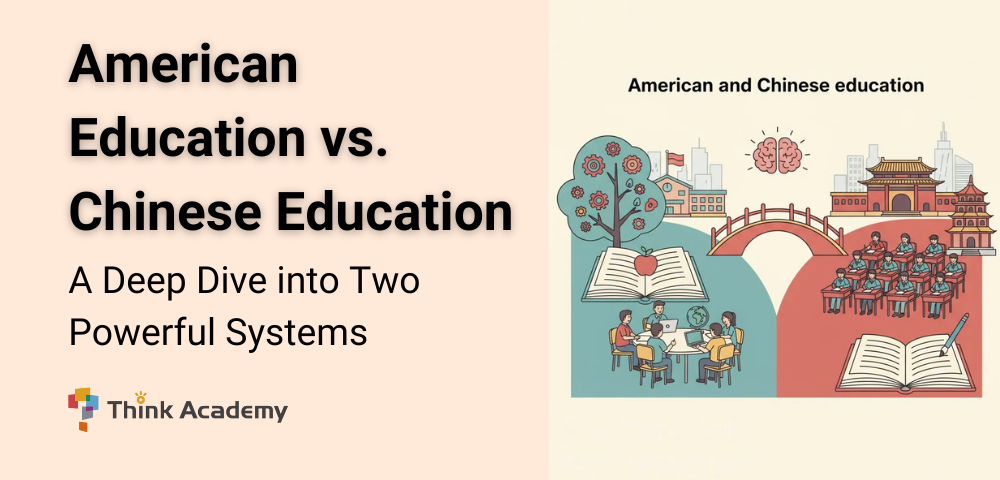
In the United States, the system values individualism—encouraging students to discover personal interests, ask questions, and take intellectual risks. American schools often promote creativity through flexible curricula, project-based learning, and a wide range of electives. This approach cultivates self-directed learners who are comfortable expressing opinions and pursuing unique academic or career paths.
In China, education traditionally reflects collectivist values, emphasizing shared effort, discipline, and respect for authority. The classroom is built around structured learning and teacher guidance, aiming to ensure mastery of foundational knowledge. Chinese students often achieve exceptional proficiency in math, science, and literacy thanks to systematic practice and repetition. This philosophy prioritizes effort and perseverance—qualities deeply rooted in Confucian culture.
Yet, both philosophies are evolving. Chinese schools are gradually adopting more creativity-driven lessons, while American educators increasingly emphasize structure and discipline to combat learning gaps. The convergence of these two ideologies may represent the future of global education.

Teaching Methods: Structure vs. Exploration
Chinese classrooms are known for their rigor and consistency. Teachers play a central role, and lessons follow a well-defined national curriculum. Memorization and repetition form the foundation, but they are not mere rote learning—rather, they aim to solidify core skills before students move to higher-level application. Over the past decade, however, urban schools in China have introduced collaborative discussions, inquiry-based projects, and blended learning models to foster creativity alongside precision.
American classrooms, in contrast, tend to prioritize student participation and hands-on engagement. Project-based learning, debates, and group work are common, emphasizing not just content knowledge but also communication, problem-solving, and collaboration. This student-centered approach empowers learners to take ownership of their education, developing independence and confidence.
In short, China builds the foundation; America builds expression. The best outcomes might emerge from combining both.

Evaluation Systems: Standardization vs. Holistic Assessment
Assessment reflects what each system values most.
In China, exams like the Gaokao are monumental events that determine university access and future career paths. The stakes are high, which drives students to study intensively and achieve remarkable mastery. However, this system can also create high pressure and limited flexibility, as one exam can shape an entire trajectory.
In the United States, evaluation is broader and more continuous. Students are assessed through coursework, participation, standardized tests like the SAT or ACT, teacher recommendations, and extracurricular achievements. This holistic model allows multiple forms of talent—academic, athletic, artistic, or leadership—to shine. Yet, critics argue it can be inconsistent and dependent on subjective factors like school resources or teacher bias.
Cultural Impact: Shaping Mindsets and Values
Beyond academics, each system molds distinct student mindsets.
Chinese education tends to produce high achievers with strong discipline, valuing endurance and collective responsibility. American education nurtures innovators and critical thinkers, encouraging students to challenge norms and explore uncharted ideas. The results are visible in global achievements: Chinese students often lead in standardized test scores, while American graduates dominate fields requiring entrepreneurship and innovation.
Global educators increasingly recognize the potential of cross-pollination: Chinese discipline combined with American creativity could form the blueprint for next-generation learning worldwide.
Conclusion: Toward a Global Balance in Education
Neither system is superior; each offers invaluable strengths.
- Chinese education builds a deep, structured foundation.
- American education nurtures individuality and imagination.
The future of global learning may depend on integrating the best of both—pairing rigorous knowledge with open-ended exploration. As education becomes more international, understanding these differences is essential for parents, educators, and policymakers striving to prepare students for a world where both discipline and creativity matter equally.
About Think Academy
Think Academy, part of TAL Education Group, helps K–12 students succeed in school today by building strong math foundations and critical thinking skills. At the same time, we focus on the bigger picture—developing learning ability, curiosity, and healthy study habits that inspire a lifelong love of learning. With expert teachers, proven methods, and innovative AI tools, we support every child’s journey from classroom confidence to long-term growth.
Want more insights on math learning and parenting? Subscribe to our newsletter for weekly tips and the latest resources.
Leave a Comment & Share Your Thoughts!

Share This Story, Choose Your Platform!
Related Posts









American schools are producing students who read and do math well below grade level. Test scores have been declining for years. The US continues to do worse compared to our global competition. Teachers unions protect ineffective teachers and reject any accountability. The idea that we compete favorably with China is laughable.