Is a Performing Arts High School Right for Your Child?
When a student shows sustained commitment to theater, dance, music, or performance, families often consider a performing arts high school as a possible educational path. These schools combine intensive artistic training with a full academic curriculum, creating a learning environment that is both demanding and specialized. Understanding how performing arts high schools operate—and which students typically succeed in them—is essential before making this choice.
What Is a Performing Arts High School?
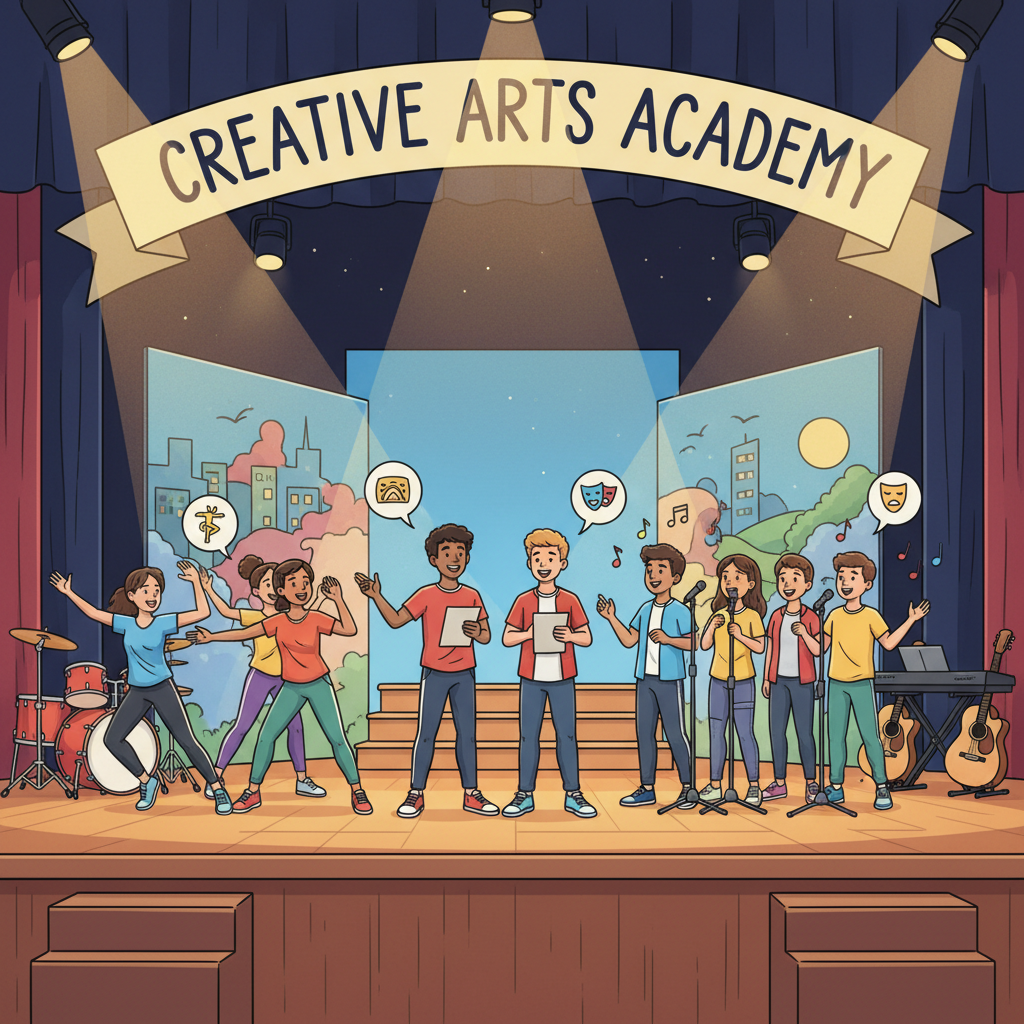
A performing arts high school is a secondary school that combines a standard college-preparatory curriculum with intensive, daily training in a specific art form. Students typically apply for a particular discipline, such as:
- Theater or drama
- Dance (ballet, modern, jazz, etc.)
- Music (instrumental or vocal)
- Musical theater or performance arts
Unlike traditional schools where the arts are extracurricular, performing arts schools integrate artistic training into the school day. Students spend multiple hours in rehearsals, technique classes, or studio work while completing required academic courses.
Facilities often include:
- Dance studios
- Performance theaters
- Practice rooms and recording spaces
Instruction is frequently led by working professionals or conservatory-trained educators, providing exposure to real industry standards.
Performing arts high schools are academically rigorous, but they also demand significant daily time for artistic training. Students often spend several hours each day in rehearsals, technique classes, or studio work in addition to completing standard coursework. This means the overall workload is typically more intensive than a traditional high school, not less. Students who succeed are those who can manage time effectively, stay organized, and maintain focus across both academic and artistic responsibilities.
Who Typically Considers Performing Arts High Schools?
Based on how these schools operate, students who consider this path usually share several characteristics.
Strong, Sustained Commitment to an Art Form
These students have often:
- Trained for several years
- Practiced consistently outside of school
- Shown motivation beyond casual interest
Enjoyment alone is usually not enough—discipline and follow-through matter.
Comfort with Performance and Evaluation
Because admission is audition-based, students are often:
- Comfortable performing in front of judges
- Able to prepare pieces independently
- Open to feedback and critique
This doesn’t mean they lack nerves—but they are willing to perform under pressure.
Ability to Balance Creative and Academic Demands
Performing arts high schools are not easier academically. Students must manage:
- Rigorous coursework
- Long rehearsal hours
- Practice expectations
Successful students tend to be organized, resilient, and self-directed.
Desire for a Creative Peer Environment
Many students are drawn to being surrounded by peers who:
- Share similar artistic goals
- Value creativity and expression
- Support collaboration over competition
This environment can be especially positive for students who felt out of place in traditional schools.
Benefits of a Performing Arts High School Education
Performing arts high schools differ from traditional schools because the arts are not extracurricular—they are built into the daily schedule and evaluation system.
1. Conservatory-Style Training During the School Day
Students receive daily technique classes, rehearsals, or studio time led by conservatory-trained or industry professionals. Artistic training happens every day, allowing for faster, deeper skill development than after-school programs alone.
2. Performance-Based Evaluation
Students are assessed through auditions, juries, performances, and critiques in addition to academic coursework. This teaches them to perform under pressure, accept feedback, and improve through iteration—skills unique to performance-driven learning.
3. Professional Facilities and Learning Environments
These schools provide access to specialized spaces such as dance studios, theaters, and recording rooms. Learning in professional-style environments helps students prepare for conservatories and arts-focused college programs.
4. A Peer Community with Shared Artistic Commitment
Students learn alongside peers who are equally dedicated to their art form. This creates a focused, collaborative environment where intensive practice and creative risk-taking are normalized.
5. College Preparation with Arts-Specific Outcomes
Graduates complete college-prep academics while also developing audition-ready portfolios or performance reels. This dual preparation supports applications to conservatories, arts colleges, and traditional universities alike.

Is This the Right Fit for Your Child?
This path is best suited for students who:
- Are ready to commit significant time to their art
- Can handle critique and competition constructively
- Want structured artistic growth, not just exposure
It may be less suitable for students who:
- Are unsure about long-term arts commitment
- Prefer minimal homework or practice
- Feel overwhelmed by frequent performance evaluation
Open discussion with your child is essential. Their motivation—not parental ambition—should drive the decision.
Understanding the Application Process
Admission to performing arts high schools is typically competitive and multi-step.
Most schools require:
- An audition or portfolio (often discipline-specific)
- Academic records and teacher recommendations
- Sometimes interviews with students and parents
Preparation takes time. Families often begin:
- Skill development years in advance
- Audition prep months before deadlines
Not all talented students are admitted, so having alternative plans is important.
Final Takeaway: A Specialized Path for the Right Student
A performing arts high school can be a powerful educational environment for students who are deeply committed to an art form and ready for its demands. These schools offer intensive training, a creative peer community, and strong academic preparation—but they are not the right fit for every child.
For families, the key is alignment. When a child’s passion, discipline, and learning style match the structure of a performing arts school, this path can support both artistic growth and long-term academic success.
About Think Academy
Think Academy, part of TAL Education Group, helps K–12 students succeed in school today by building strong math foundations and critical thinking skills. At the same time, we focus on the bigger picture—developing learning ability, curiosity, and healthy study habits that inspire a lifelong love of learning. With expert teachers, proven methods, and innovative AI tools, we support every child’s journey from classroom confidence to long-term growth.
Check our math programs:
- Early Childhood — PreK
- Lower Elementary — Grades K–2
- Upper Elementary — Grades 3–5
- Middle School — Advanced math topics, including Algebra 1, Algebra 2, and Geometry
Want more insights on math learning and parenting? Fill out the form on this page and subscribe to our newsletter for weekly tips and the latest resources.
Leave a Comment & Share Your Thoughts!

Share This Story, Choose Your Platform!
Related Posts










