Why Conservation Education Matters in K-12 Schools
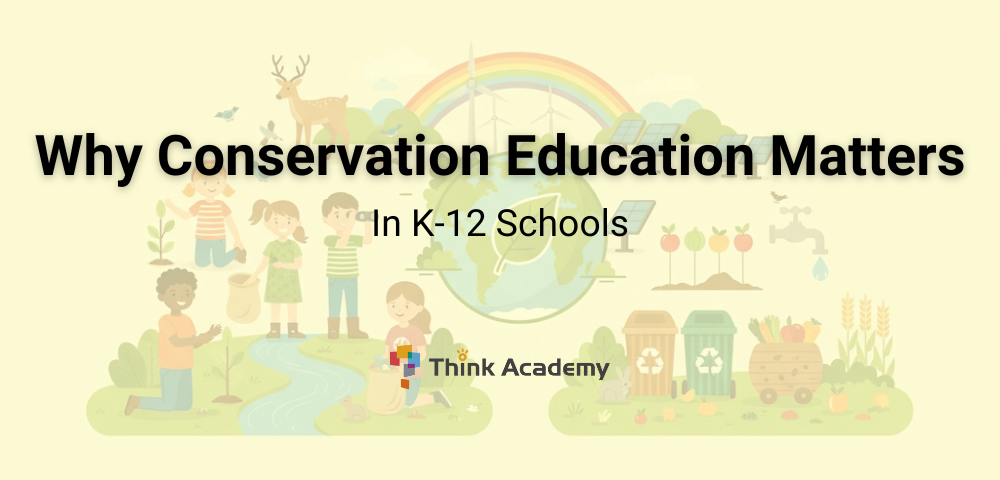
Conservation education in K-12 schools is becoming an essential part of preparing the next generation for a sustainable future. As global awareness of environmental issues grows, schools are now key platforms for teaching children how to protect and care for the planet.
From recycling programs to outdoor learning projects, conservation education helps students connect what they learn in class to real-world action—building both knowledge and responsibility.
The Current State of K-12 Conservation Education
Around the world, K-12 schools are integrating conservation topics into their regular curriculum. In Europe, for instance, environmental studies often include lessons on biodiversity, climate change, and sustainable living. These programs align with the United Nations’ Education for Sustainable Development (ESD) framework, which encourages schools to help students understand environmental challenges and take informed action.
However, progress varies by region. Some schools still struggle with limited teaching materials or lack of teacher training, while others lead the way with outdoor classrooms, eco-clubs, and sustainability projects that involve both students and parents.
In the United States, more districts are introducing STEM-based conservation programs, such as water-cycle experiments, local habitat restoration, and campus energy audits. These efforts align well with the Next Generation Science Standards (NGSS), which emphasize inquiry-based learning and community impact.

How Conservation Education Builds Environmental Awareness
When environmental learning is hands-on, students begin to see their own role in protecting natural resources. Field trips to nature centers, classroom recycling projects, and energy-saving challenges at home all help reinforce eco-friendly habits.
Research from the North American Association for Environmental Education (NAAEE) shows that experiential learning fosters environmental literacy, strengthens problem-solving skills, and encourages pro-environmental behavior among students.
Some of the most common benefits include:
- Practical awareness: Students learn how everyday actions affect the environment.
- Empathy for nature: Direct contact with ecosystems builds respect for wildlife and habitats.
- Family engagement: Children often bring lessons home, influencing parents and siblings to adopt greener habits.
This “trickle-down effect” means that conservation education doesn’t just shape students—it can influence entire communities.

How Schools and Families Can Support Conservation Learning
To make conservation education more effective, schools and families can work together to turn environmental theory into daily practice.
For schools:
- Integrate environmental topics across science, geography, and social studies.
- Encourage project-based learning such as gardening, composting, or school recycling drives.
- Partner with local organizations for outdoor or community projects.
For families:
- Support school eco-initiatives by volunteering or modeling sustainable habits at home.
- Discuss what children learn at school—small actions like saving water or sorting recyclables reinforce lessons.
- Explore online resources such as the U.S. Environmental Protection Agency’s Environmental Education Portal for age-appropriate ideas and activities.
The Broader Impact: Nurturing Future Changemakers
Students who grow up with a strong environmental ethic are more likely to advocate for sustainability policies and community projects as adults. Early exposure to conservation issues helps them understand how personal choices link to global outcomes—from carbon emissions to wildlife preservation.
By prioritizing conservation education today, K-12 schools are nurturing future innovators, scientists, and leaders who can create meaningful solutions for tomorrow’s environmental challenges.
Conclusion
Conservation education isn’t just about teaching science—it’s about building values that shape responsible global citizens. When schools and families work together to make sustainability part of everyday learning, students gain the tools and motivation to protect the planet they’ll inherit.
About Think Academy
Think Academy, part of TAL Education Group, helps K–12 students succeed in school today by building strong math foundations and critical thinking skills. At the same time, we focus on the bigger picture—developing learning ability, curiosity, and healthy study habits that inspire a lifelong love of learning. With expert teachers, proven methods, and innovative AI tools, we support every child’s journey from classroom confidence to long-term growth.
Want more insights on math learning and parenting? Subscribe to our newsletter for weekly tips and the latest resources.
Leave a Comment & Share Your Thoughts!

Share This Story, Choose Your Platform!
Related Posts