Summer Planning for Rising 9th Graders: Academics, Interests, and Summer Programs
The summer before 9th grade is an important transition period. While it may not yet be college prep in the traditional sense, it serves as a foundation for the academic and personal growth that will take place during high school. This time can be an opportunity for students to ease into the demands of high school by strengthening essential skills and habits—without the pressure of a formal academic year. Start your summer planning!
404 Big Goals for Summer Planning Before 9th Grade
A well-designed summer plan usually serves at least one of these goals.
Many successful plans serve two or three.
Goal 1 — Summer Planning for 9th Grade Academics (Especially Math)
Academic readiness typically delivers the highest return at this stage. For many students, a strong foundation in math during the summer can set the stage for future success in high school. It is a good time to prepare for accelerated math tracks and the opportunity to take AP or advanced STEM courses in the future.
Common academic focuses during summer planning include:
- Strengthening foundational skills in algebra or geometry
- Previewing accelerated math content to prepare for higher-level coursework
- Closing any gaps before entering honors or advanced math classes
This approach is especially beneficial for students who plan to take advanced math and take more APs in high school. Early preparation can reduce stress and improve overall performance once the school year begins, opening up more opportunities for future academic growth.
Goal 2 — Summer Planning to Explore and Externalize Interests
Interests matter—but colleges later look for evidence, not statements.
At the rising 9th grade stage, interest exploration should be:
- Low risk
- Skill-based
- Output-oriented
Examples of “externalized” interests:
- Writing short stories, essays, or poems
- Building a simple app or website
- Creating a small portfolio (art, design, photography)
The objective is not scale. It is completion and reflection. Small, finished work is usually more valuable than large, unfinished ideas.
Goal 3 — Summer Planning for Time Management and Independence
High school schedules are typically more demanding. Summer provides a controlled environment to practice:
- Managing daily routines
- Independent study or reading
- Consistent sleep and wake times
- Long-term task completion
These skills are rarely listed on applications, but they strongly affect academic performance and sustainability.
Recommended Summer Planning Pathways for Rising 9th Graders
There is no single “best” summer plan. Different students benefit from different pathways. Below are common options, with guidance on when each is most appropriate.
Pathway 1 — Summer Programs (Academic or Enrichment)
Summer programs vary widely. They may include:
- Academic preview courses
- Enrichment classes
- Interest-based workshops
Academic programs are typically more useful when:
- A student needs stronger foundations
- A student plans to enter higher-level courses in 9th grade
Program value depends less on the name and more on:
- Skills gained
- Output produced
- Whether learning can continue during the school year
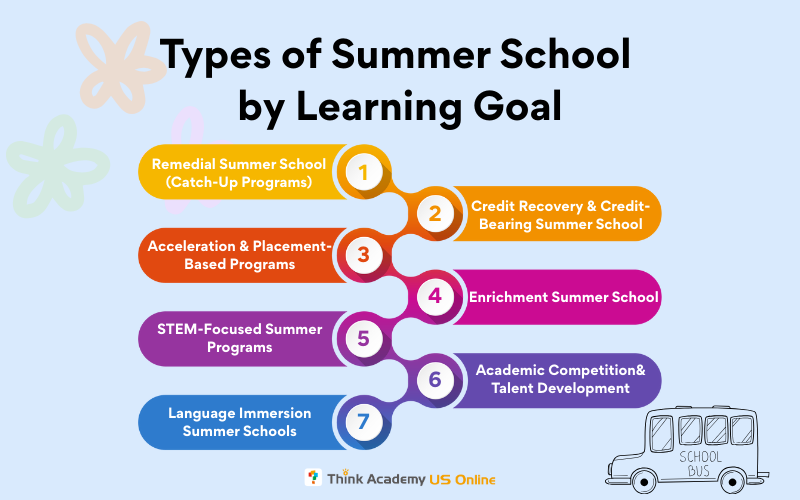
Learn more info about summer schools:
Pathway 2 — Service and Volunteering
Service activities help develop:
- Responsibility
- Communication skills
- Community awareness
Common options include:
- Science museum volunteering
- Senior care centers
- Tutoring younger or under-resourced students
Some families track volunteer hours. Others focus more on consistency and reflection. Both approaches can be meaningful when the work is genuine and sustained.
Pathway 3 — Independent Projects
Independent projects work best when they are realistic. A finished small project is usually more valuable than an ambitious project that never launches.
Examples:
- A simple app documented on GitHub
- A short writing submission
- A basic website for a local business or organization
Pathway 4 — Internship or Research-Style Experiences
For rising 9th graders, formal research positions are limited.
Reasonable alternatives include:
- Camp counselor or assistant roles
- Makerspace or lab-style workshops
- Mentor-guided mini projects
It is generally not necessary—or advisable—to pursue “research” solely for the label. This approach often has low return at this age.
Pathway 5 — Rest, Family Time, and Travel
Rest is not wasted time. It supports sustainability.
Travel, reading, and family time often:
- Broaden perspective
- Reduce burnout
- Improve readiness for the school year
Most students benefit from a mix of structure and rest during summer planning.
Selective Summer Planning: Are Summer Academic Programs Worth It?
This is a common question among parents.
In most cases, the outcome matters more than the program name. It’s not about attending a prestigious summer program, but rather about the value and skills the student gains from it. Focus on whether the program helps develop academic abilities, personal interests, or life skills that align with the student’s long-term growth.
The key is ensuring the experience fosters meaningful development, rather than simply adding another name to the resume.
A 5-Question Checklist for Evaluating Summer Programs
Before committing, consider:
- Does my child want to participate?
- What specific skill will improve (math, writing, coding, communication)?
- Is there a clear output (project, portfolio, performance)?
- Can the work continue during 9th grade?
- Is the cost reasonable relative to the outcome?
This checklist helps align summer planning with long-term value.
More Summer Planning Options for STEM-Focused Students
Students interested in STEM often have additional paths. Common options include:
- School robotics or Science Olympiad teams
- Introductory math competitions (e.g., AMC-style preparation)
- Advanced or accelerated math classes
Math, in particular, compounds over time. Early preparation often expands future academic choices.
Think Academy Math Summer Program
As we’ve discussed, building a solid academic foundation during the summer can significantly ease the transition into high school, particularly when it comes to math. For students aiming to take advanced math or honors courses in 9th grade, early preparation in key areas like algebra 2 and precalculus can pay long-term dividends.
One option to consider for students who want to strengthen their math skills over the summer is the Think Academy Math Summer Program. This program is designed specifically to help students build the foundational math knowledge they’ll need for success in high school and beyond.
Why Choose Think Academy Math Summer Program?
Tailored to Your Child’s Needs
The Think Academy Math Summer Program is designed to cater to different levels of math proficiency. Whether your child needs to catch up on foundational skills, is aiming for an advanced math track, or has an interest in preparing for AMC competitions, this program can be tailored to suit their needs.
- For Students Catching Up: If your child needs extra support to fill gaps in foundational math concepts such as algebra, geometry, our program offers personalized tutoring and practice to ensure they start 9th grade with confidence.
- For Students Preparing for Advanced Tracks: If your child is aiming for honors or accelerated math courses in high school, Think Academy helps them get ahead by introducing more advanced content in a manageable way, setting them up for success in future courses like AP Calculus and AP Statistics.
- For Students Interested in AMC Competitions: The program also offers focused preparation for math competitions such as the AMC 10 and Olympiad. If your child has an interest in math beyond the classroom and wants to hone problem-solving skills for competition, Think Academy provides the ideal environment for this type of advanced learning.
Each student receives a customized learning plan designed to match their current level and future goals, ensuring that they receive the right amount of challenge and support.
Personalized Free Evaluation
If you want to help your child prepare for the academic demands of high school math, consider enrolling them in the Think Academy Math Summer Program. With expert instructors and a curriculum focused on building lasting skills, this program offers a structured yet flexible approach to summer learning.
The Results Speak for Themselves:
- ???? 90%+ of Think Academy students scored above the 90th percentile.
- ???? 94% of students placed into the fastest middle school math track.
- ???? Over 1,000 national competition awards in 2024 and 2025 each.
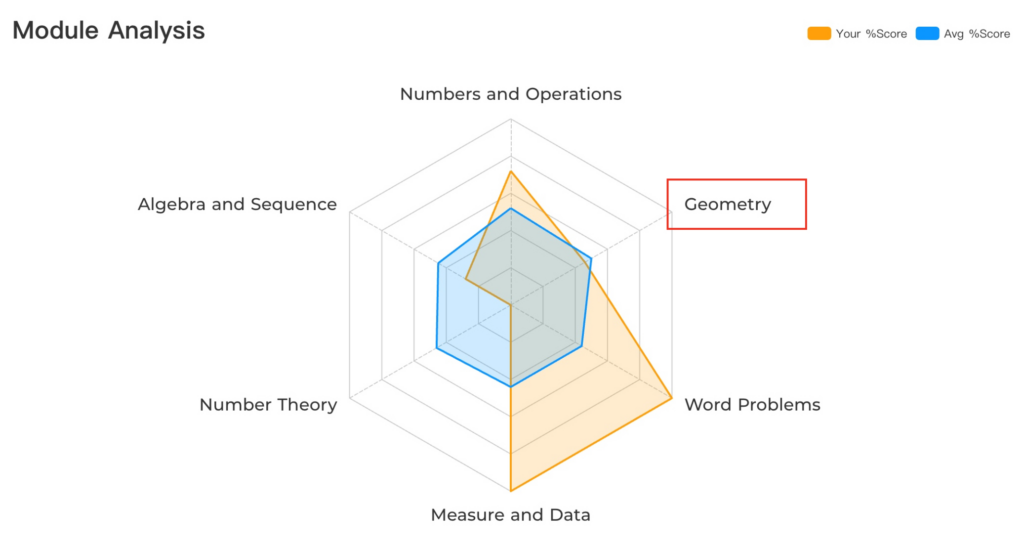
Your free evaluation includes:
- Peer comparison & ranking across key domains
- Skill-by-skill breakdown: number sense, algebra, geometry, and more
- Concept-level insights: where your child excels or needs support
- A clear next-step plan — personalized by our expert instructors
Recommend Reading:
- What is Summer School? A Parent Guide & FAQs
- Rising 9th Grader Parent Guide: Top 50 College Prep with Real Student Cases
- High School GPA Planning for Rising 9th Graders: Summer Academic Planning
About Think Academy
Think Academy, part of TAL Education Group, helps K–12 students succeed in school today by building strong math foundations and critical thinking skills. At the same time, we focus on the bigger picture—developing learning ability, curiosity, and healthy study habits that inspire a lifelong love of learning. With expert teachers, proven methods, and innovative AI tools, we support every child’s journey from classroom confidence to long-term growth.
Check our math programs:
- Early Childhood — PreK
- Lower Elementary — Grades K–2
- Upper Elementary — Grades 3–5
- Middle School — Grade 6–10
Want more insights on math learning and parenting? Fill out the form on this page and subscribe to our newsletter for weekly tips and the latest resources.

Leave a Comment & Share Your Thoughts!
Share This Story, Choose Your Platform!
Related Posts